






How Often Should You Schedule a Roof Inspection in Vero Beach?
If you own a home in Vero Beach, you already know our sun, salt air, and storm season can be tough on roofing. To stay ahead of leaks and surprise repairs, most homes should plan a regular roof inspection Vero Beach schedule that fits our Treasure Coast climate. Twice-yearly inspections are ideal in Vero Beach. Done on a steady rhythm, inspections catch small issues early and help extend the life of your roof.
Not sure where to start? See how Contract Service Enterprises, Inc. approaches professional roof inspections and what timing makes sense for different roofs, neighborhoods, and situations. Many homeowners in Central Beach, Grand Harbor, Vero Lake Estates, and Indian River Shores follow a simple plan so their roofs are ready before hurricane season and checked again when winds calm.
If you are comparing local options, bookmark this guide and share it with neighbors from Sebastian to north Fort Pierce. It covers a practical roof maintenance schedule, what pros look for, and when to call after a storm. For company info and a quick overview of services, start at our roof inspection Vero Beach home page.
Why Roof Inspections Matter on the Treasure Coast
Vero Beach roofs face a tough combination: intense UV, frequent summer downpours, high humidity, salt spray near the ocean and river, and seasonal tropical systems. That mix can speed up shingle aging, loosen fasteners on metal roofs, and shift ridge tiles over time.
In neighborhoods near the ocean or Intracoastal, airborne salt can corrode exposed metal on vents and flashing. Inland, heavy afternoon storms can push wind-driven rain under lifted shingles or cracked tile caps. Regular inspections keep these small problems from spreading into decking or attic spaces.
How Often Should Vero Beach Homes Be Inspected?
Most homes benefit from a minimum of one professional inspection each year. In our climate, a better plan is spring and late fall. Spring checks ensure your roof is ready before June 1, the official start of hurricane season. Late fall confirms everything held up after the heaviest wind and rain.
- Asphalt shingles: twice a year, plus after major wind events
- Concrete or clay tile: twice a year, with extra attention to ridges and hips
- Metal panels: once to twice a year depending on proximity to salt exposure
- Low-slope or flat sections: twice a year due to drainage concerns
Schedule inspections after any named storm that passes within our area, especially if you notice displaced shingles, missing ridge caps, or water stains on ceilings. Catching storm damage quickly helps with documentation and prevents hidden moisture from spreading.
Factors That Change Your Roof Inspection Schedule
Age And Past Repairs
Older roofs and roofs with patchwork repairs need closer monitoring. Seams, sealants, and older flashing can degrade faster in heat and sun. If your roof is approaching the end of its expected service life, plan more frequent checkups.
Proximity To Salt And Wind
Homes east of Indian River Boulevard, on barrier island communities like The Moorings or Orchid, experience more salt and wind exposure. That can accelerate corrosion on fasteners and flashing and loosen tile mortar. Extra inspections add peace of mind.
Trees And Debris
Live oaks and palms are part of our landscape, but they can drop limbs or fronds that scuff shingles or clog drains. If your home sits beneath heavy canopy, more frequent inspections keep eyes on valleys and gutters where water tends to collect.
Additions, Solar, Or New Equipment
Any time new penetrations are made for solar racks, satellite dishes, vents, or HVAC lines, have a pro revisit flashing and sealants after the first heavy rain. Rechecks confirm everything is watertight.
Annual Roof Inspection Checklist: What Pros Look For
Homeowners often ask what is covered in a professional check. A trained inspector evaluates the entire roofing system from edge to ridge and documents conditions with photos. Here are common items included in a professional annual roof inspection checklist:
- Shingle, tile, or metal surface condition and signs of premature wear
- Ridges, hips, valleys, and transitions where water concentrates
- Flashing at chimneys, skylights, and walls, plus sealant health
- Fasteners on metal panels and exposed hardware for rust or backing out
- Vent boots, pipe jacks, and attic ventilation components
- Evidence of wind uplift, impact marks, or slipped tiles
- Gutter and downspout flow on sloped roofs; scuppers and drains on low-slope areas
- Attic-side signs of leaks, daylight at penetrations, or wet insulation
Your report should be clear, photo-documented, and prioritized. That way you can act on urgent items first, then plan proactive maintenance as part of your roof maintenance schedule.
Seasonal Plan For Vero Beach Roof Maintenance
Late Spring: Pre-Storm Readiness
April to May is the sweet spot for a preventive check. Conditions are dry and inspectors can verify that flashing, sealants, and ridge components are ready for summer storms. This timing gives you a buffer to address small issues before turbulent weather arrives.
Summer To Early Fall: During Hurricane Season
From June 1 through November 30, keep an eye out for changes after strong systems. If you hear flapping shingles, see fallen tile pieces, or notice staining on the ceiling, schedule a professional visit. Do not climb on your roof. A pro will evaluate safety, document conditions, and recommend next steps.
Late Fall: Post-Storm Check
By November to early December, winds usually ease. This is the time for your second inspection to confirm the roof rode out the season. Inspectors also evaluate any wear from heat and UV and make recommendations for the dry months ahead.
Material-Specific Notes For Treasure Coast Roofing Care
Asphalt Shingle Roofs
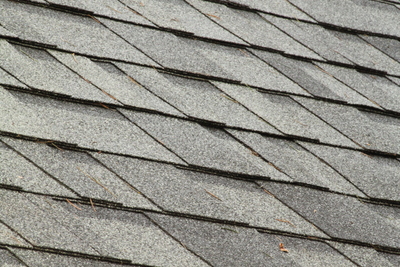
Shingles can lose granules faster in intense UV and wind. Inspectors look for brittle tabs, lifted edges, and nail pops that can open pathways for water. Small fixes now prevent water from reaching decking.
Tile Roofs
Concrete and clay tile are durable, but ridge and hip caps can shift during high winds. Pros also check underlayment exposure and cracked tiles. In neighborhoods like Central Beach and The Moorings, inspectors look closely at storm-facing slopes.
Metal Roofs
Metal performs well in wind, but exposed fasteners may back out or corrode in salt air. Annual torque checks and sealant reviews help. Inland homes see less corrosion, yet fasteners and flashing still need routine attention.
Low-Slope Areas
On porches or additions, low-slope sections rely on clean drains and intact seams. Regular inspections verify that water is moving off the roof and that seams remain sealed after hot summers.
When Storms Hit: How To Decide Your Next Step
After strong wind or heavy rain, look for simple clues inside the home such as new stains on ceilings or walls, a musty smell in the attic, or light peeking around vent stacks. Outside from the ground, notice missing shingles, displaced ridge tiles, or bent metal at eaves and edges. If anything looks off, call a local pro for a same-week assessment.
Documenting conditions quickly helps you plan repairs and supports conversations with your insurance company if needed. It is also smart to recheck your roof after significant tree impact or flying debris, even if you do not see a leak right away.
How A General Contractor Streamlines The Process
As a licensed general contractor, Contract Service Enterprises, Inc. coordinates the entire process, from inspection and reporting to any needed structural repairs. You get one point of contact who understands roofing systems and how they interact with framing, stucco, and interior finishes. That means issues are solved at the source, not just on the surface.
If you want to understand the scope of our roofing work, review our approach to roof inspections and related roofing services. We prioritize safety, thorough documentation, and clear next steps, so you always know what matters most and what can be scheduled later.
A Simple Plan You Can Keep All Year
Here is a practical rhythm many Vero Beach homeowners follow:
Late spring check before storm season, quick pro visit after any named storm that affects our area, and a final look in late fall. That cadence supports a healthy roof, easier budgeting, and fewer surprises during peak rain events.
If you manage a second home or seasonal property, ask about a service plan that coordinates with your visits. A reliable schedule is the heart of smart Treasure Coast roofing care.
Ready To Protect Your Roof?
Put dates on the calendar now and keep your home dry and comfortable all year. When you are ready, reach out to Contract Service Enterprises, Inc. to set your next inspection or to talk through your annual plan. For fast scheduling, call 772-770-9131 or schedule your roof inspection in Vero Beach online today.
Vero Beach weather can be unpredictable, but your plan does not have to be. With a steady schedule, clear reporting, and the right team in your corner, your roof will be ready for whatever the season brings.